How It Helps
Your nervous system isn't broken. It's overloaded.
When you've been running on stress for long enough, your body forgets how to switch off. The Stillpoint helps it remember.
What happens when your nervous system is stuck on “high alert”
You can't sleep even though you're exhausted
Your jaw, shoulders, or chest feel permanently tight
Small things feel overwhelming
You snap at people you love
You feel wired but have no energy
You can't concentrate or think clearly
You feel emotionally numb or heavy
You've forgotten what calm actually feels like
These aren't character flaws. They're signs your nervous system needs support.
The science
How sound, touch, and stillness regulate the nervous system.
Your nervous system has two modes: sympathetic (fight-or-flight) and parasympathetic (rest-and-digest). Most people living with chronic stress are stuck in sympathetic overdrive.
The Stillpoint uses sound vibration, safe touch, and guided downshifting to activate the vagus nerve — the body's natural brake pedal — helping you shift from survival mode into safety.
Sound vibration
Crystal bowls, tuning forks, and Tibetan bowls produce frequencies that slow brainwave activity from beta (alert) to theta (deep rest). Your body responds before your mind catches up.
Safe, grounding touch
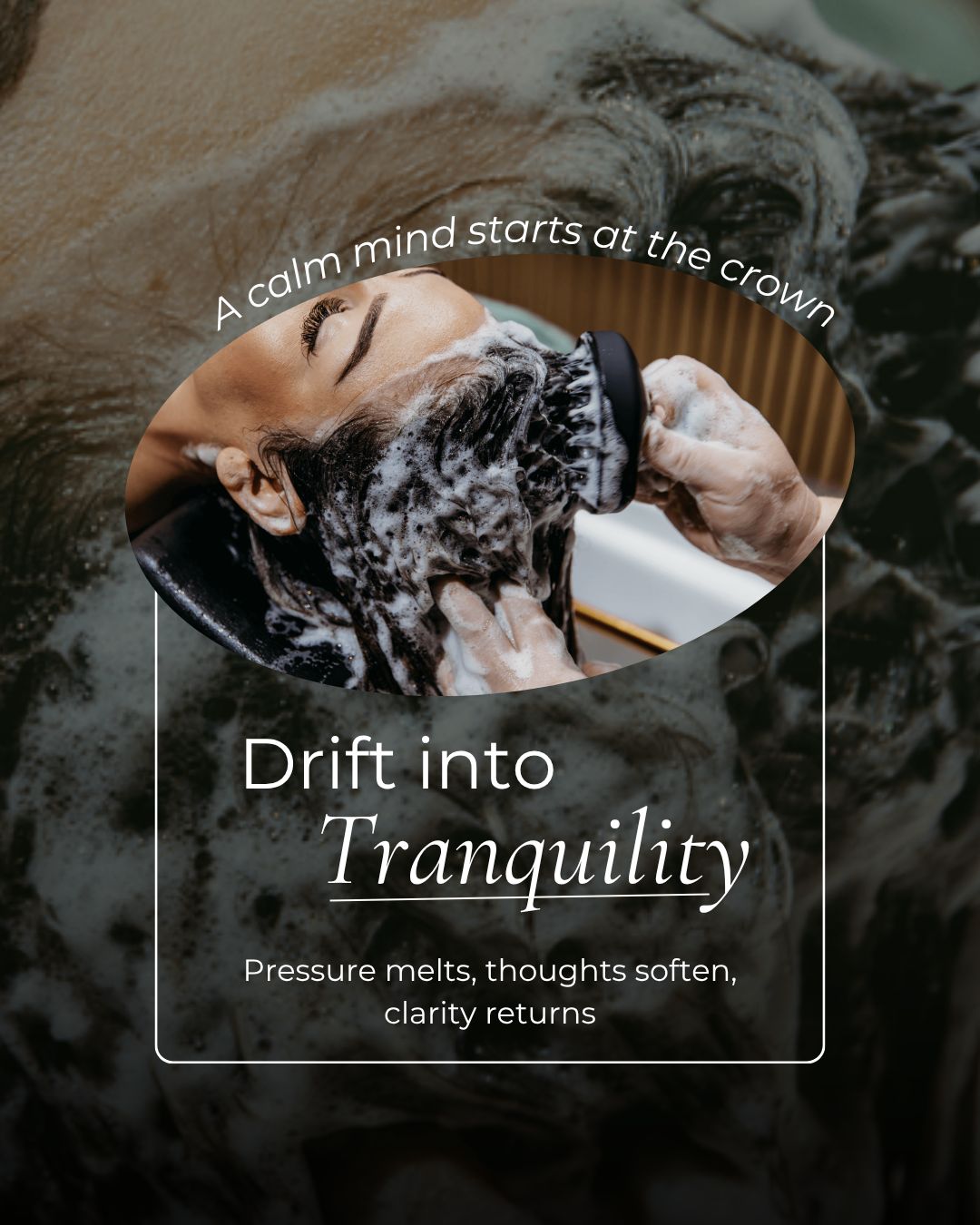
Gentle contact — through scalp work, Reiki, or somatic holds — signals safety to the nervous system. When the body feels held, it can begin to release.
Guided downshifting
Breathwork, stillness, and intentional pacing help your system slow down gradually — not forced, not rushed. A soft return to baseline.
Vagus nerve activation
The vagus nerve runs from your brainstem to your gut. When stimulated through sound, breath, and warmth, it triggers the relaxation response — lowering heart rate, easing digestion, and calming the mind.
What people notice
Benefits, without the over-claim.
This work isn't about promising a new life. It's about making life feel more liveable. More spacious. More regulated.
Calmer nervous system
A shift from constantly 'on' to steady enough to breathe again.
Less tension in the body
Shoulders drop. Jaw unclenches. Your chest feels less tight.
A quieter mind
Thoughts slow down. The mental tabs stop multiplying.
Better rest
Not perfect sleep — but deeper, more restorative nights.
Emotional balance
Less snapping, spiralling, or shutting down. More capacity.
Feeling like yourself
Lighter. Clearer. More grounded in your own body.
You don't need to understand it all. You just need to feel it.
Book a session and let your body do the rest.